Régen imádtam
egyetemre járni. Részben a tanulmányok, részben – na jó, nagyobb részben – az
életstílus miatt. Hét évvel, két diplomával és egy félig elvégzett szociológia
szakkal a hátam mögött úgy éreztem, ideje végre sokkal többet utazni és
lehetőség szerint pénzt is keresni. Azóta bejártam a fél világot, éltem
erre-arra, pénzt is kerestem, de a szervezett tanulás nem volt hangsúlyos.
Nyári egyetem Vilniusban, pár egyhetes tréningek a közbeszerzéstől a durva
helyeken való biztonságos létezésig (ellőtt lábú eszméletlen kollégát hogyan
hozol ki a rakétázásból meg hogy viselkedj ha elrabolnak és hasonlók), online
kurzusok a fejlesztési újságírástól a környezetileg fenntartható turizmus
Zanzibáron-ig volt minden.
 |
| Qeshm, háttérben a Perzsa-Öböl |
Mivel elég sok időt töltök Iránban, és egyre eldugottabb helyeken egyre extrémebb programjaim vannak, felmerült az igény, hogy tanuljak fársziul, ami sokat segít, ha mondjuk öreg hegyi emberektől kell segítséget kérnem valahogy az Alborz négyezresei között. Jelentkeztem is a helyi Balassi intézetnek megfelelő központban, ahol végtelennek tűnő hivataloskodás és adminisztrálgatás után elfogadták a jelentkezésem és újra diák lehettem. Minden nap iskola, szedett-vedett iskolatársak és kollégiumi élet várt rám Teheránban. Ez utóbbit, mármint a kollégiumi életet még egyetem alatt ki akartam próbálni egy időre, de mindig győzött a lustaság és a praktikum, és sosem laktam 10-15 perc sétánál távolabb az épp aktuális kampusztól.
 |
| Qeshm |
Az iráni
hatóságokkal való kilátástalan küzdelmeimről vastag könyvet lehetne írni, minden esetben
hozzátéve, hogy a problémámat sikerült megoldani – leginkább valamilyen
unortodoxiával, de ugye az országnak amúgy is az a szlogenje, hogy „everything
is possible and nothing is impossible”. A lényeg, hogy mire lejárt minden
határidő, leadtam időben minden papírt, azoknak a fordításait, majd hivatalos
fordításait, majd különböző szervek által jóváhagyott és lepecsételt hivatalos
és hitelesített fordításait, kaptam egy levelet, hogy mehetek a budapesti
követségre a vízumért. Éppen Kirgizisztánban és Kazahsztánban snowboardoztam,
így erre sajnos nem volt módom, de a naptár szerint végül még pont
becsusszantam a Mindent Eldöntő Legvégső Határidőbe Ami Után Nincs Tovább.
A budapesti
követségen minden simán ment, megkérdezték, mikor indulok, és előző napra
visszahívtak a vízumért. Megjelentem az adott napon, amikor közölték, hogy a
vízumkérelmem visszautasították, és sorry. A következő két hónapra nem volt más
dolgom, repjegy megvan, szóval Budapesten nem maradok, az tuti. Végül
megszületett a salamoni döntés, hogy akkor kapok egy másmilyen vízumot, és
majdcsak lesz valami (az univerzum működéséból adódóan olyan lehetőség ugye nem
létezik, hogy nem lesz semmi).
Az országba simán
bejutottam másnap, de az intézetben közölték, hogy sajnos ezzel a vízummal nem
kezdhetem meg a tanulmányaim. Végül a külügyminisztériumban, valamint az
immigration police irodáiban töltött három nap után kicseréltem a vízumom (nem
is tudtam, hogy lehet ilyen utólag, de kezdő, aki meglepődik ezen) és elhárult
minden akadály.
 |
| Qeshm |
A hivatalokban
töltött három napot úgy kell elképzelni, hogy nagyjából fél 10-re bootolnak be
a dolgozók, előtte kár odamenni, viszont délben kitör az ebédszünet, amit
kajakóma és kávézás követ, azaz érdemi munka már nem folyik. Így egy nap csak
egy dolgot lehet elintézni, de legalább kiszámítható és nekem is csak 2-3 órám
megy el ilyesmikre.
Két kollégium
közül lehetett választani: az egyik az ún. belvárosban (most tekintsünk el
attól, hogy Teheránnak nincs belvárosa. Vagy ha van, az akkora, mint Budapest
Zuglótól Budafokig), a másik meg a város legészakibb utcájában, annak is a
legtetején, szintben több száz méterrel a város fölött. Mivel el akartam járni
futni a hegyre (értsd: Tochal, 3933 méter, nem a Gellérthegy), nyilván az
északit választottam. Így olyan dolgokkal kellett megküzdenem, hogy minden
aránylag messze van, és időnként kevés taxi jár arra, cserébe nincs túl nagy
forgalom, zsúfoltság, tiszta a levegő, és amikor a városban szottyadt eső esik,
addig Velenjakban minden havas. És innen csak 35 perc az intézet. Gyalog is,
meg busszal is, taxival csak fele annyi. Ráadásul ez Teherán egyetlen családi
kollégiuma, azaz fiúk, lányok együtt laknak, egy épületben, egy emeleten és
nincs az az iszonyat tesztoszteron a levegőben, mint a szomszédos fiúkoliban,
ahol párszáz 20 és 25 év közötti iráni és afgán osztozik szocreál lakótömbökön.
Ja, a mi kolink 11 emelet magas, nekem a kilencediken jutott egy elég szép
panorámás apartman egy olasz lakótárssal meg egy japán szomszédlánnyal.
 |
| Kilátás a koleszből, Velenjak, Teherán |
A taxizás minden
nap kihívás volt, az Uber helyi megfelelőjét, a Snapp-et használja mindenki.
Mármint akinek vagy egy hónapnál frissebb a sim kártyája, vagy komoly pénzért
regisztráltatta a telefonját és nincs blokkolva a készüléke, nem úgy, mint az
enyém, amihez kell egy router, amúgy meg fényképezőgépként funkcionál. A Snapp
szolgáltatás nevetségesen olcsó, általában 60 dollárcent volt az intézetig,
amit néha négyen szétdobtunk. A sofőrök többsége viszont teljesen retardált a
technológiához, általában tízből egy talált oda, ahol vártunk. Ők mindig kaptak
jattot, a többiek meg telefonálgattak, hogy hol vagyunk. Pontosan ott, ahol a
GPS jelöl, mondtuk nekik, amire azt válaszolták, hogy nem pontos a GPS. Mivel
térképet olvasni nem tudó taxisokkal perzsául vitatkozni egy általuk ezek
szerint ismeretlen technológiáról nem tartozott a top 10 reggeli rutinfeladatok
közé, ezért leginkább annyiban hagytuk, hogy persze, persze, a GPS...
 |
| Qeshm |
A kezdő perzsa
csoportunk elég vegyes, és már a kurzus elején kiderültek mindenkiről a sötét
titkok. Volt nyolc kínaink, akik már a második és harmadik körüket nyomták a
kezdő kurzuson, mert egyszer sem sikerült átmenniük. Nagyjából a negyedik napon
kerültünk egy szintre, olvasni ugyan kicsit gyorsabban tudtak, hála a féléves
kezdő rutinjuknak, viszont a hatodik hét végén még mindig az első napi
alapokkal küzdöttek. Folyamatosan szekunder szégyenben éltem, annyira kínosan
buták voltak. Eleinte próbáltam kulturális magyarázatot találni, de aztán
föladtam. Tenyérre írt puskák, amik a terem túlvégéről látszottak, teljesen
érthetetlen hablaty, amit nemhogy a tanár, de még ők maguk sem tudtak se dekódolni, se
megismételni, és a totális érdektelenség jellemezte őket. Kicsit fel is húztam
magam, hogy nekem a diplomáimat kellett fordíttatni és mindenféle skilljeimet
alátámasztani, hogy itt tanulhassak, velük kapcsolatban pedig őszintén
csodálkozom, hogy tudtak idejönni repülővel, amikor a kínain kívül semmilyen
nyelvet sem beszéltek. Amikor pedig kiderült, hogy fél év alatt nem ettek még
helyi kaját, mindenféle kapcsolatot megszakítottak velük és egy reggeli
biccentésen kívül nem kommunikáltam többé. Őket egyébként a kínai állam nyomta
be ide, mint afféle soft power, hátha elég nagy tömegben lesznek itt és idővel
akad köztük egy fénylő csillag, aki megtanul írni-olvasni és lehet valami
hasznát venni a későbbiekben. Az én csoportomban úgy tűnik, ez kidobott pénz
volt. A többi, haladóbb csoportból megnyugtattak, hogy csak folytassam a
tanulmányaimat, a kezdőcsoportból ugyanis egyetlen kínai sem jutott tovább, legalábbis
ebben a terminusban biztosan nem, úgyhogy ha el akarom őket kerülni, nem kell
csinálnom mást, mint megugrani az első vizsgát.
Az mondjuk elég
vicces volt, amikor a kínai csajok a „mit ettél” kérdésre bepróbálkoztak az „anar”
szóval (gránátalmát jelent amúgy), de mivel nem ejtik az r hangot, fél percig
azt hajtogatták, hogy anal, anal, anal, anal.
A csoportban
amúgy egy német sráccal voltunk az igazi kezdők. Ománi csoporttársunk nyilván
tudott már írni-olvasni, pár csajszi meg az iráni férje miatt kötött ki itt,
vagyis elég sanszos, hogy naponta gyakorolják a nyelvet. A felsőbb csoportok
európaijai főleg politológia-nemzetközi kapcsolatok-közel-keleti tanulmányok
vonalról érkeztek, és jó érzékkel Iránt választották az arab világ helyett.
A kollégiumban
gyors karriert futottam be, miután kiderült, hogy leginkább én ismerek helyeket
az országban, valamint én tudok utcán nem kapható dolgokat beszerezni, hála a
másfél évtizedes barátkozásaimnak.
 |
| Maranjab másnap |
A hétvégékre
mindig utazást terveztem, a harmadik után azonban elment a kedvem az egésztől
és inkább Teheránban maradtam. Először Kashan mellé, Maranjabba mentünk a
sivatagba egy klasszikus piknikezésre: este behajtottunk a dűnék közé, tábort
vertünk, hatalmasat ittasodtunk, húst sütöttünk, zene, tánc, végül valamikor
hajnalban mindenki elájult. Másnap sivatagban lézengés, kocsival önmagunk
elásása és kiszabadítása, homokdűnéken motorozás és a többi hasonszőrűvel
vegyülés volt a program.
Következő
hétvégén ötnapos ünnep volt (pontosabban négy, csak beiktattam egy plusz
napot), ezért nagy ugrása vállalkoztam, és egy ismeretlen csapattal lementünk
az Öbölbe sátrazni, konkrétan Hengam szigetére. Ezt úgy kell érteni, hogy 1400
kilométer vezetés, utána mindenféle szabadprogram, végül 1400 km vezetés, szóval
ha legközelebb ilyenre lesz lehetőségem, biztosan kihagyom/repülővel megyek/két
hétre megyek. Az igazi kihívás azonban nem ez volt, hanem az ismeretlen
társaság. Pontosabban egy embert ismertem, aki elhívott, a másik tizet meg nem.
Azzal a tervvel vették el az eszemet teljesen, hogy búvárkodni fogunk, sziklát
mászni meg kanyoningolni, és azonnal igent mondtam. Ráadásul két olyan szigeten,
ahol még nem jártam korábban.
Az már lefelé
úton kiderült, hogy a fentiekből a két eddig nem látott sziget biztosan kiesik,
másnap meg az is, hogy se búvárkodni, se sziklát mászni, se kanyoningolni nem
fogunk. Annál inkább út szélén álldogálni amíg a többiek cigiznek, és
természetjárás helyett túlzsúfolt bevásárlóközpont lesz a kiemelt célpont.
Végül nagynehezen elvergődtünk Hengam-ra, ahol már kétszer voltam korábban,
mondjuk még egyszer sem sátraztam, szóval legalább ennyi újdonság volt benne.
 Még szerencse,
hogy kempingezni hívtak. Előtte a haverom megkérdezte, tudok-e sátrat és
hálózsákot hozni, mintha én lennék a házigazda, akinek mindene is van a
garázsban és nem egy farmerrel meg négy pólóval érkeztem volna Iránba. Szóval
kértem kölcsön cuccokat. Hengamon kiderült, sátrat kizárólag én hoztam, ahogy
hálózsákot, valamint fejlámpát és föltöltött powerbanket is. Cserébe náluk nem
volt kaja, csak két kiló krumpli meg egy aluminium fazék. Mint kiderült, ez
lesz a vacsora. Se olaj, se só nem volt hozzá. Összeállt a kép (nem siettem
el): egy rakás városi gyerek, aki nemhogy vidékre, de még a konyháig sem jutott
el soha, kitalálta, hogy csinálnak egy fasza hétvégét, mint a filmekben, csak
stábot nem vittek hozzá. Szerencsére angolul senki nem beszélt igazán, így nem
kellett attól tartanom, hogy bármely beszélgetés mélységet kap, esetleg
eszkalálódik a konfliktus.
Még szerencse,
hogy kempingezni hívtak. Előtte a haverom megkérdezte, tudok-e sátrat és
hálózsákot hozni, mintha én lennék a házigazda, akinek mindene is van a
garázsban és nem egy farmerrel meg négy pólóval érkeztem volna Iránba. Szóval
kértem kölcsön cuccokat. Hengamon kiderült, sátrat kizárólag én hoztam, ahogy
hálózsákot, valamint fejlámpát és föltöltött powerbanket is. Cserébe náluk nem
volt kaja, csak két kiló krumpli meg egy aluminium fazék. Mint kiderült, ez
lesz a vacsora. Se olaj, se só nem volt hozzá. Összeállt a kép (nem siettem
el): egy rakás városi gyerek, aki nemhogy vidékre, de még a konyháig sem jutott
el soha, kitalálta, hogy csinálnak egy fasza hétvégét, mint a filmekben, csak
stábot nem vittek hozzá. Szerencsére angolul senki nem beszélt igazán, így nem
kellett attól tartanom, hogy bármely beszélgetés mélységet kap, esetleg
eszkalálódik a konfliktus.
Mielőtt végleg
elszenesedtek volna a krumplik, úgy döntöttem, vaksötétben elgyalogolok az egy
óra járásra lévő faluba és ott szerzek valami ehetőt az egyetlen nénitől, aki
előző nap falafelt sütött az egyik sarkon. Erre persze mindenki rájött, hogy
szén helyett jobb a falafel, és ahelyett, hogy expedíciót szerveztünk volna,
mindenki jelezte az igényét, hogy még mit hozzak, ha már úgyis arra megyek.
Ekkor döntöttem el, hogy megvacsorázok és senkinek semmit nem hozok. Végül az
egyik okos, aki a többinél is éhesebb volt, kitalálta, hogy jöjjek vissza
motorral, mert akkor nem egy óra az út vissza is és azt leszervezi nekem. „Aha,
szóval van egy telefonszámod egy motoroshoz?” – merült fel a kérdés, majd a
rábólintás után elpattant bennem valami és elhatároztam, hogy másnap egyedül
folytatom a túrám. „Akkor miért nem hívod föl, hogy vegye meg nekünk az összes
szart, falafelt, csipszet, kólát és hozza ide?” „Húbazdmegdeokosvagy”. És más
diktálta is a listát. „Hozzon két liter arakot is” – próbálkoztam be, és csont
nélkül átment a kérés. Szóval hagytak volna két órát gyalogolni egyedül a
vaksötétben, hogy lássam el az egész csapatot. Húsz perc múlva minden kéznél
volt, szerencsére az arak is, az eddigi legjobb, helyi gyártmány, datolyából.
 |
| Sátrazás Hengamon |
A másnapi
lelépésem sem ment könnyen. Hajnalban keltettek az arcok, hogy esik az eső és
fáznak. Amíg szelfiztek a parton, lebontottam a tábort és az első csónakkal
elhagytuk a szigetet. A mólón találkoztam egy cimborámmal, aki 1600 kilométerre
innen Sariban él, és két évvel korábban fölvett stoppolás közben Irán északi
részén és azóta sem hallottam felőle.
Átmentünk Qeshmre,
ami nagy kedvencem, egy geológiai csoda az egész sziget. Pár órát barangoltam
egyedül, majd naplementekor, a sziget komptól legtávolabbi partján a haverom
szólt, hogy úgy döntöttek, maradnak még pár napot. Mivel induláskor
megbeszéltük, hogy most nem nyaralok, vissza kell érnem Teheránba. Hát, az
szívás, akkor jó utat. Kösz bazdmeg, legalább a legközelebbi faluba vigyél el
innen. Végül taxival, komppal, megint taxival, és hatalmas kerülővel, 36 óra
folyamatos utazással jutottam vissza Teheránba. Egyébként meglett volna 24 óra
alatt is, de az ünnepek miatt minden fullon volt, Bandarból nem volt busz
Teheránba, csak Shirazba, ami egy laza 4-500 kilométeres kerülő. Még
próbálkozhattam volna stoppolással, de éjszaka volt, esett az eső és a
telefonom is, meg a powerbankom is teljesen lemerült, térkép nélkül meg nem sok
értelmét láttam.
 Ez a kirándulás
jó lecke volt, ezentúl mindig megkérdezem, kik jönnek, és leginkább azt, hogy
miért. És hogy mások milyen cuccot hoznak. Szerencsére Qeshmen a túra szép
volt, Hengamon tudtam sznorkelezni, a sátrazás sem volt rossz, szóval
összességében elviselhető volt, de azért pár telefonszámot töröltem az út végén.
Ez a kirándulás
jó lecke volt, ezentúl mindig megkérdezem, kik jönnek, és leginkább azt, hogy
miért. És hogy mások milyen cuccot hoznak. Szerencsére Qeshmen a túra szép
volt, Hengamon tudtam sznorkelezni, a sátrazás sem volt rossz, szóval
összességében elviselhető volt, de azért pár telefonszámot töröltem az út végén.
Hazaúton Shiraz
és Iszfahán között egy megállóban leszólított egy srác a buszról, hogy „Are you
metalhead?”, majd gyorsan átült mellém. Kiderült, hogy ő is az, és mellette
koncertfotós, van csomó közös barátunk és ő is ott volt 9 évvel ezelőtt a
jereváni bábszínházban megrendezett death metál fesztiválon. Gyorsan átküldött
pár koncertet a közeljövőben, így kaptam egy újabb remek esélyt a teheráni
metáléletben való alámerülésre.
Az első koncert
egy blues-rock műsor lett volna, de két óra késés után közölték a házigazda kávézóban,
hogy a hatóságok végül mégsem engedélyezték és sorry. Gondolom elég tipikus élmény
ez is, úgyhogy elégedetten hátradőltem, hogy a betiltott, illetve nem
engedélyezett koncertet első alkalomra behúztam.
 |
| Qeshm |
Másnap nagyobb
sikerrel jártam a Tehran Rock Cafe-ban. Előre oda kellett szólni, hogy megyek,
és mivel úgy tűnik, turisztok sosem vesznek részt ilyen eseményen, amint
benyitottam, tudták a nevem és volt foglalt helyem. A hagyományos értelemben
nem koncert volt, két gitáros srác játszott Judas Priest, Metallica, Malmsteen,
Satriani meg Gary Moore számokat. Az egyik fiú vak volt, ő volt a húzónév.
Műsor közben befutott Mehdi barátom a csajával, utána pedig elvittek egy
dokumentumfilm fesztiválra, ahol bemutatták az iráni Skorpio zenekarról készült
filmet. Valamiért a 60-as évek vége, de főleg a 70-es évek kedvezett a Skorpió
nevű zenekaroknak, bár a magyar meg a német névrokonaiktól eltérően ők Beatles
kópia vonalon futottak be.
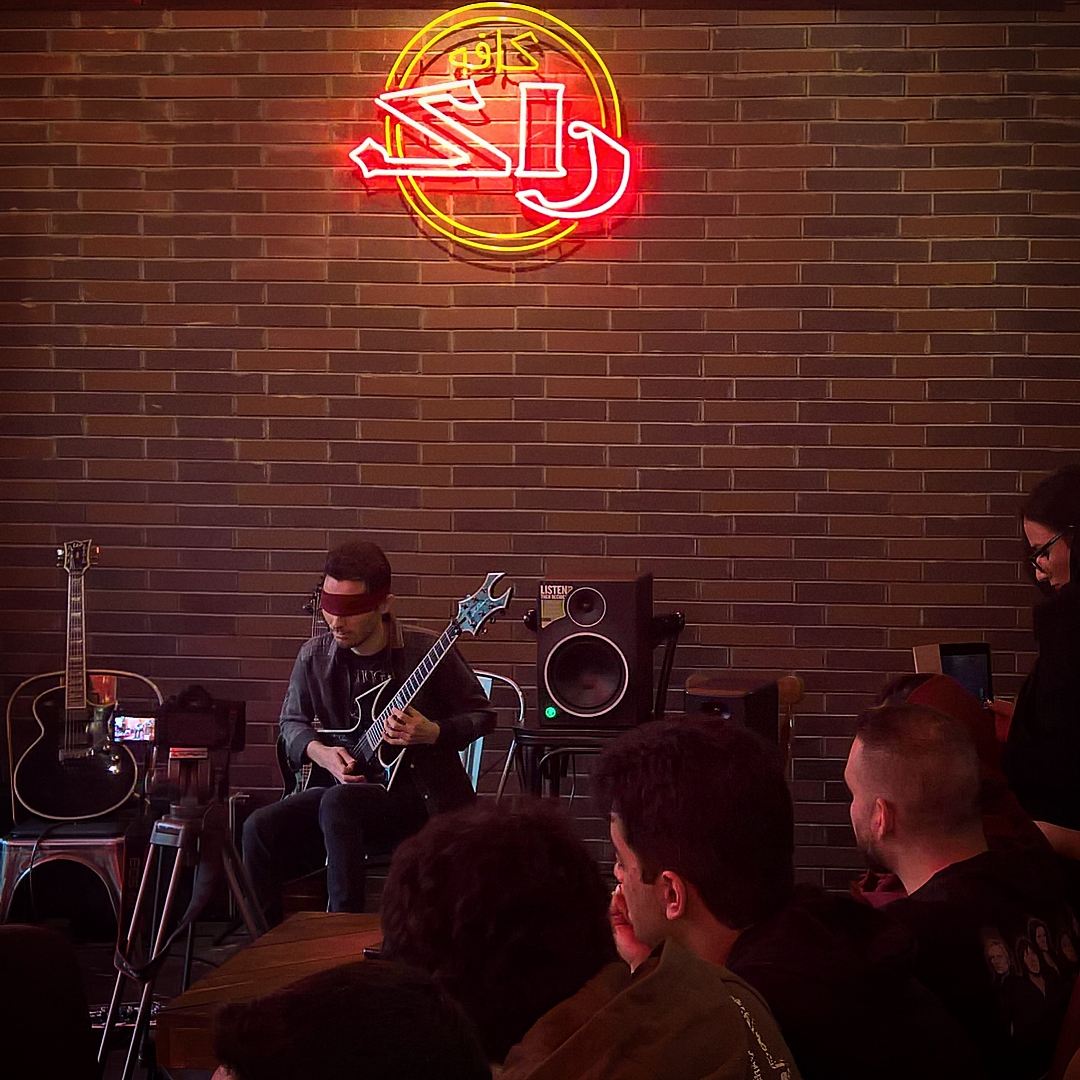 |
| Vahid Mollazadeh, a vak gitáros |
A teheráni
napjaimról majd máskor írok, így is kicsit hosszúra nyúlt ez a mese.


